AAA Architetti cercasi
Padova, Italy [2024]
with Matteo Almonti Architecture
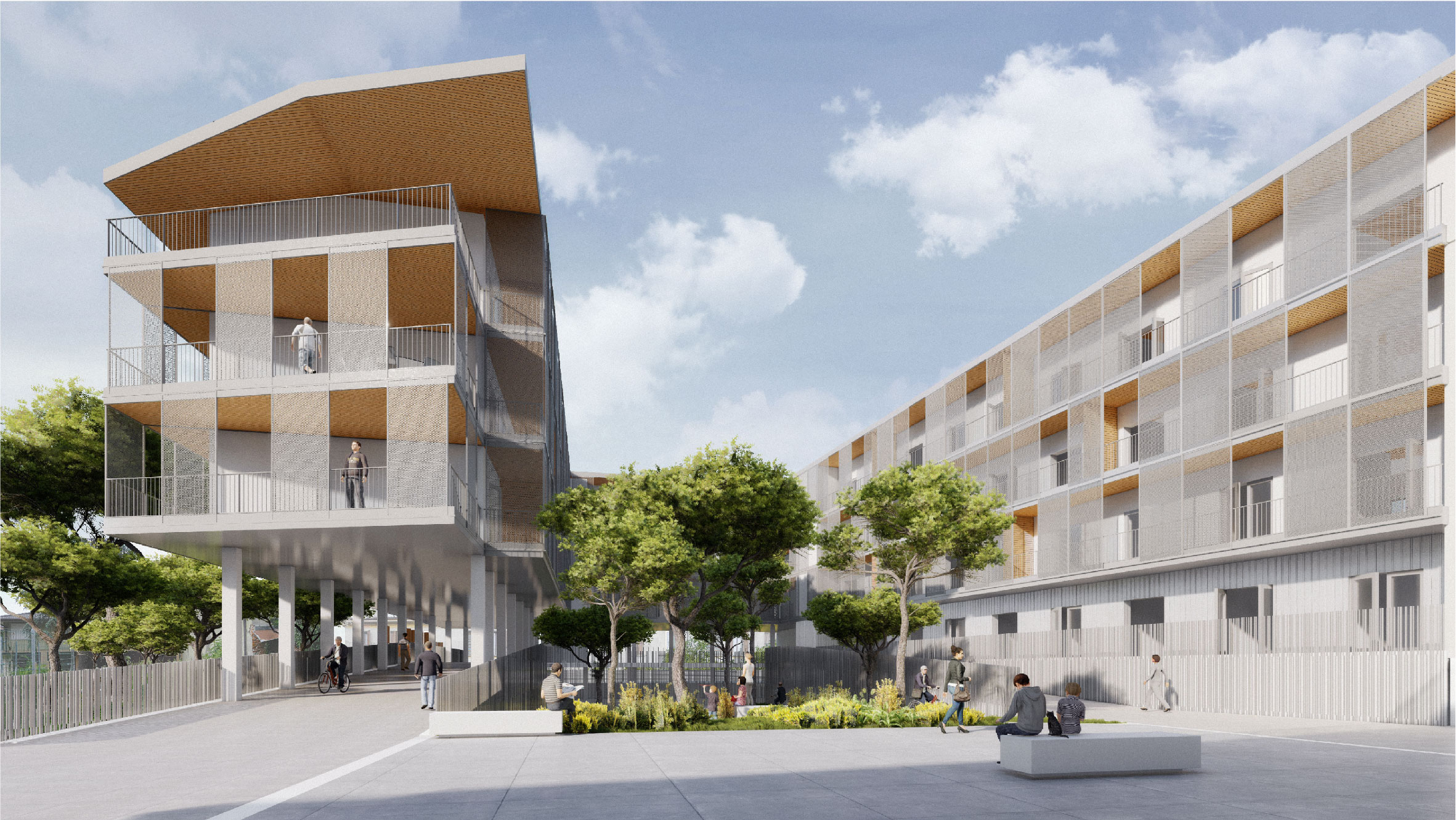
open courtyard view
manifesto.
In an era characterised by an overabundance of digital information and the uncontrolled growth of cities hungry for land, building palimpsests emphasises the importance of using what already exists responsibly. The project is therefore based on three fundamental strategies that aim to renew and enhance the existing urban context: rewriting the existing fabric, reusing buildings and reconnecting with the city. This strategy promotes social interaction and community cohesion, helping to create a more liveable and inclusive environment for all residents. Architectural and social sustainability thus become an integrated and interconnected goal, fundamental to the development of more equitable, prosperous and sustainable cities and urban environments in the long term.


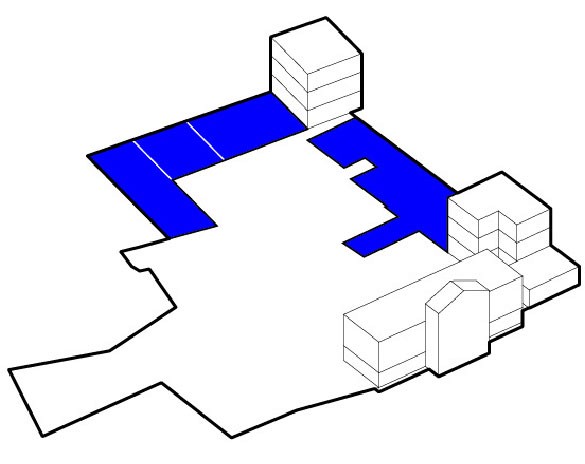
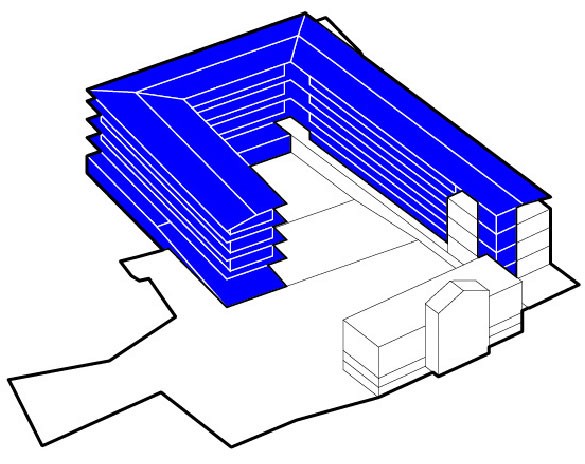
reinterpret, reuse, rewrite, and reconnect
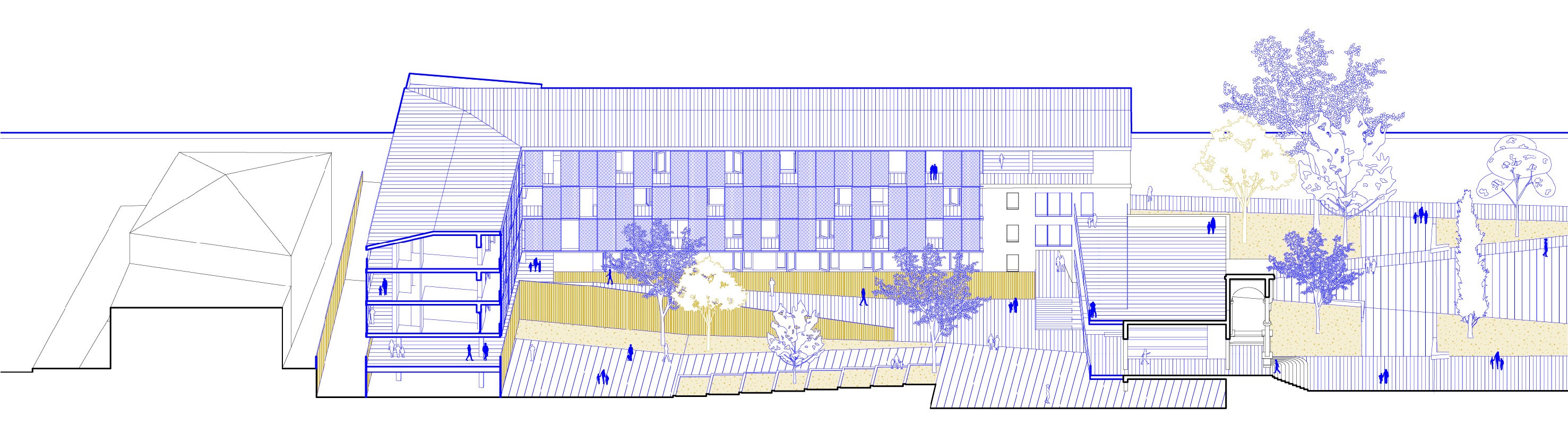
spatial continuity between the collective courtyard and the city
urbanity.
The redevelopment project involves an in-depth analysis and reinterpretation of the existing urban fabric. It was therefore decided to selectively demolish the superfluous structures and buildings in a state of serious disrepair, but to rebuild on the same site and with the same surface areas and heights. This strategy significantly reduces the consumption of natural resources and the environmental impact associated with the production of building materials and, consequently, the related construction costs. In the project, public and private functions merge synergistically, creating a dynamic and engaging space. The public space is designed to integrate and interact with the existing texture, occupying the entire area of intervention, so as to return that portion of the city that had been taken away to the community. The elements that make up the project are held together by a ground that is modelled according to the existing levels and opens up to the city with an access ramp.
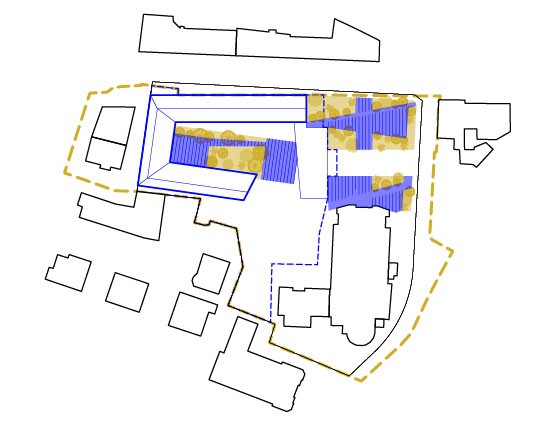
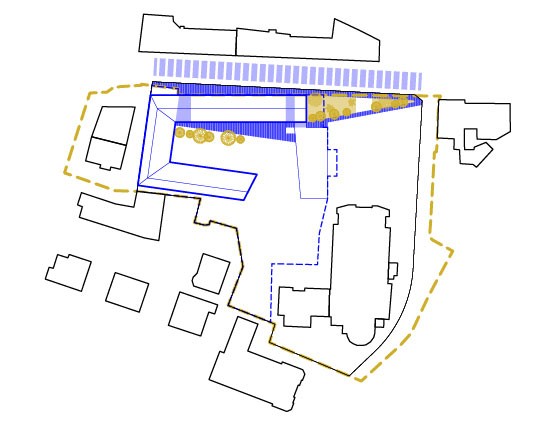

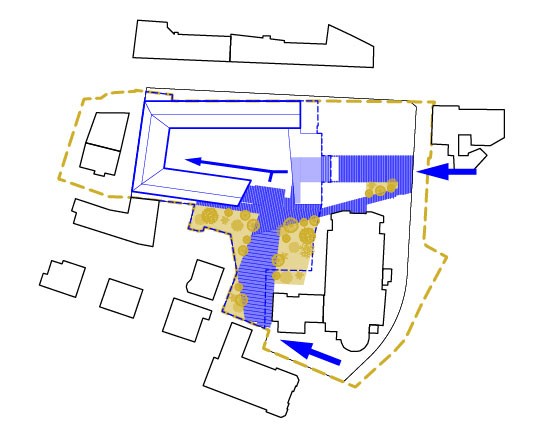
connecting public space elements
living publicly and privately.
The configuration of living spaces profoundly reflects human relationships and the way people interact with each other. The size and layout of the rooms give rise to a modus vivendi that influences social dynamics and the intimacy of relationships in order to pursue the goal of social sustainability. The project therefore identifies three main residential clusters aimed at creating a strong mix that is not only functional but also social. Starter and co-living accommodations promote intense social interaction, as residents share common spaces and are constantly involved in each other's lives. These are unique accommodations that integrate living and working spaces, offering residents the opportunity to live and work in the same environment. On the other hand, standard housing offers a greater degree of privacy and autonomy.
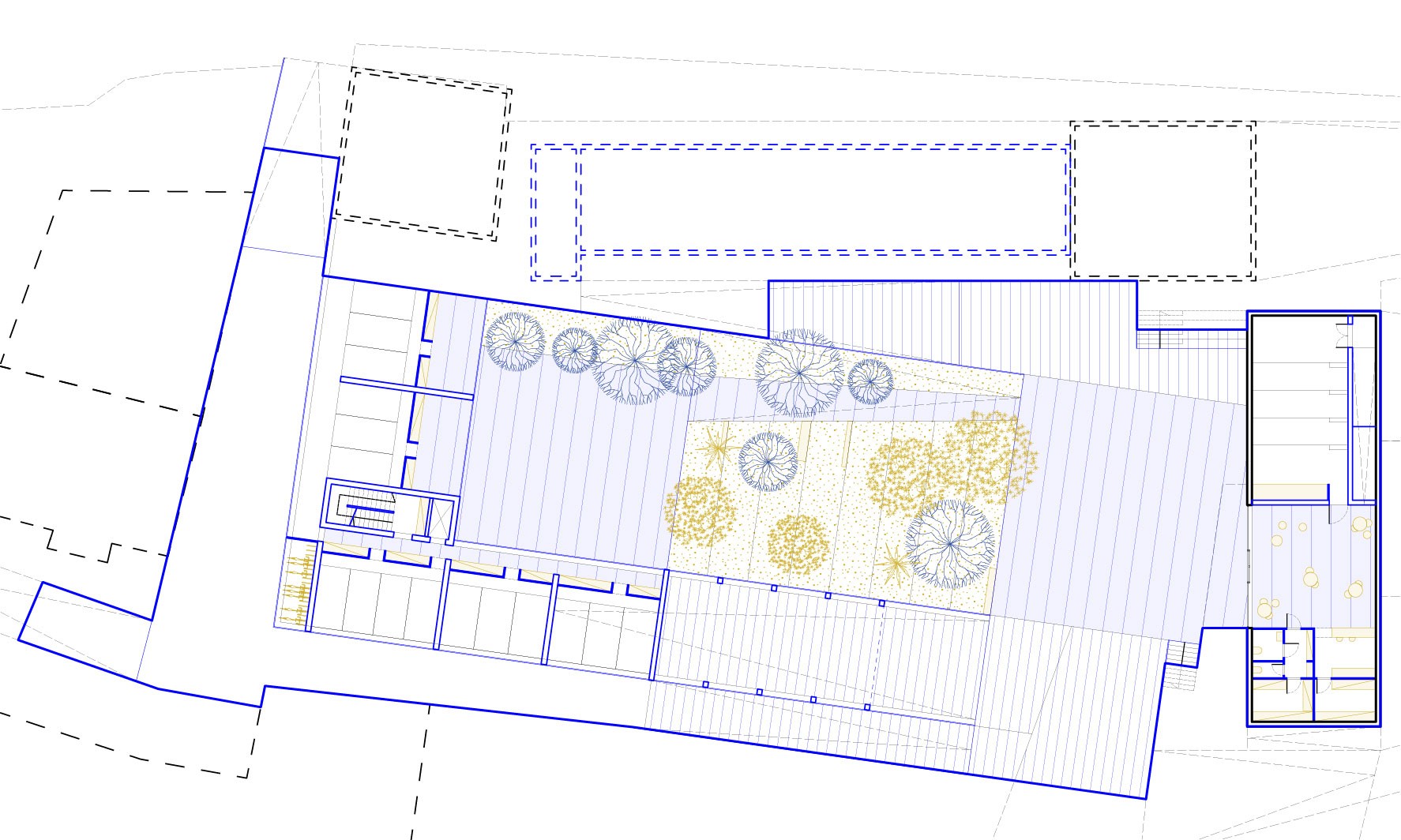
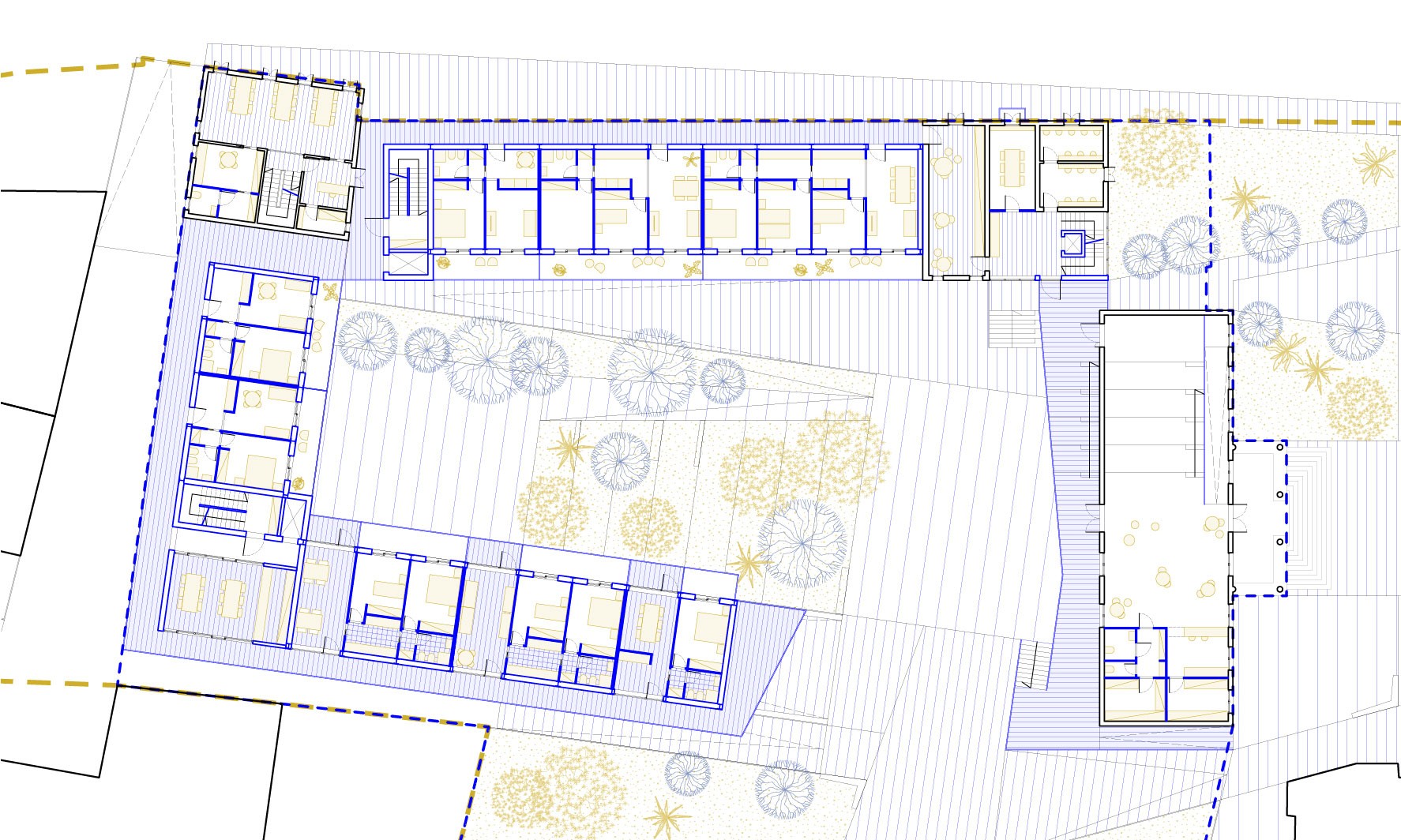
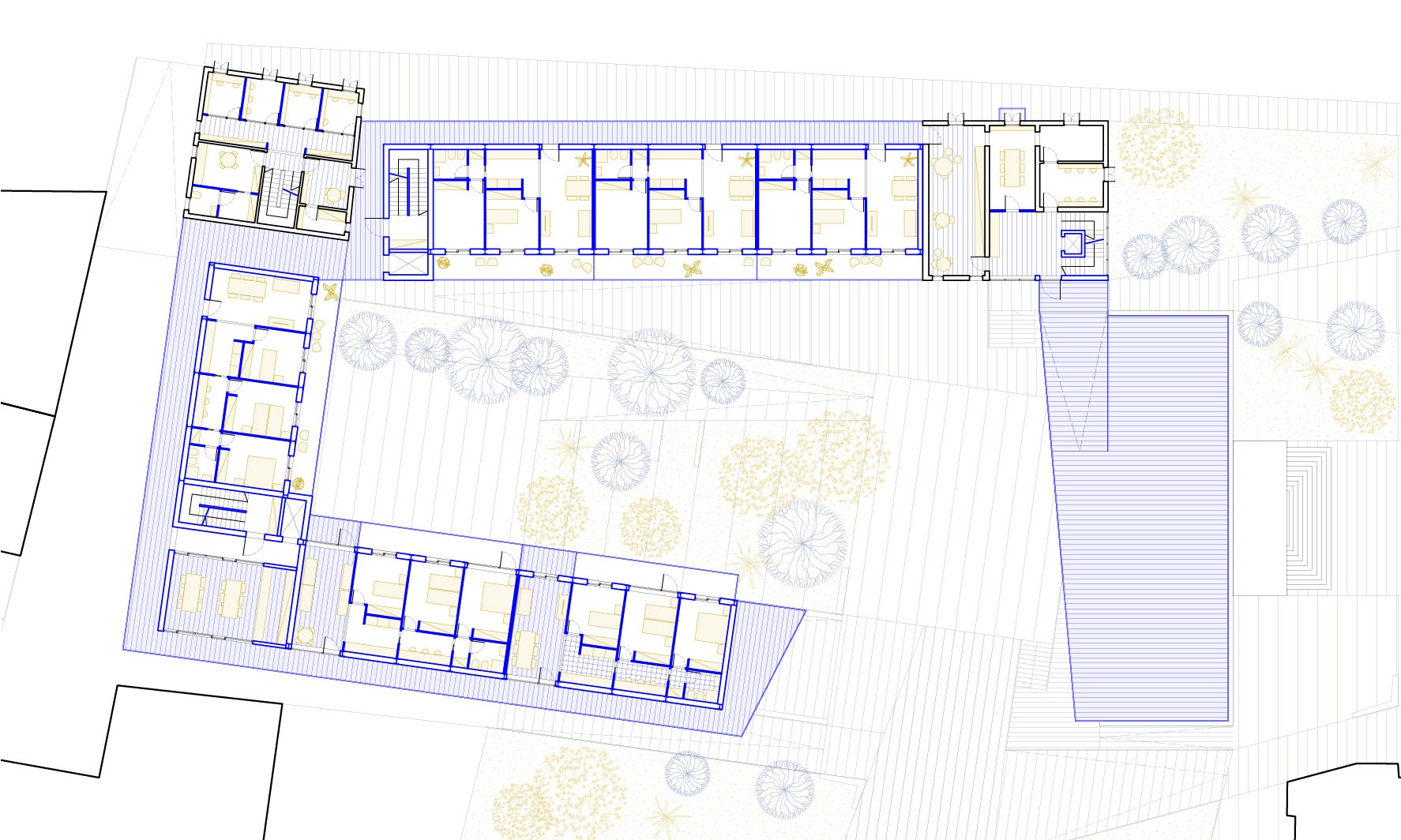
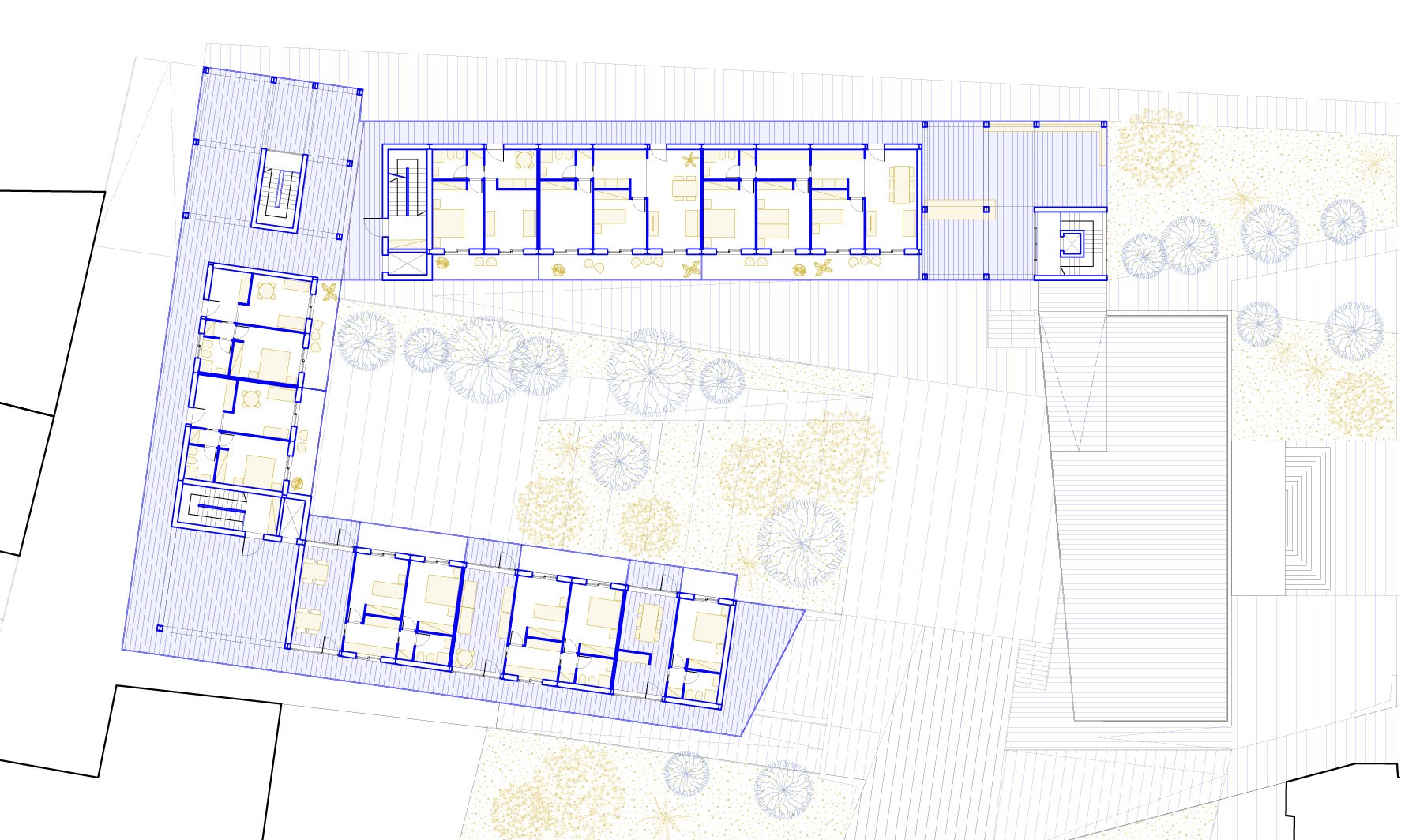
typological variations
LFL
2024